Revealing Opportunities: The Definitive Guide to Liquidation Pallets - Benefits, Common Types, and How to Buy
Liquidation pallets provide a unique opportunity for resellers to acquire an assortment of products at significantly reduced prices. These pallets can contain anything from excess inventory to returns, providing both potential challenges and rewards. Comprehending the intricacies of liquidation pallets is vital for anyone looking to profit from this market. What are the most profitable strategies for buying these pallets, and how can one increase profit from their contents? The answers may amaze you.
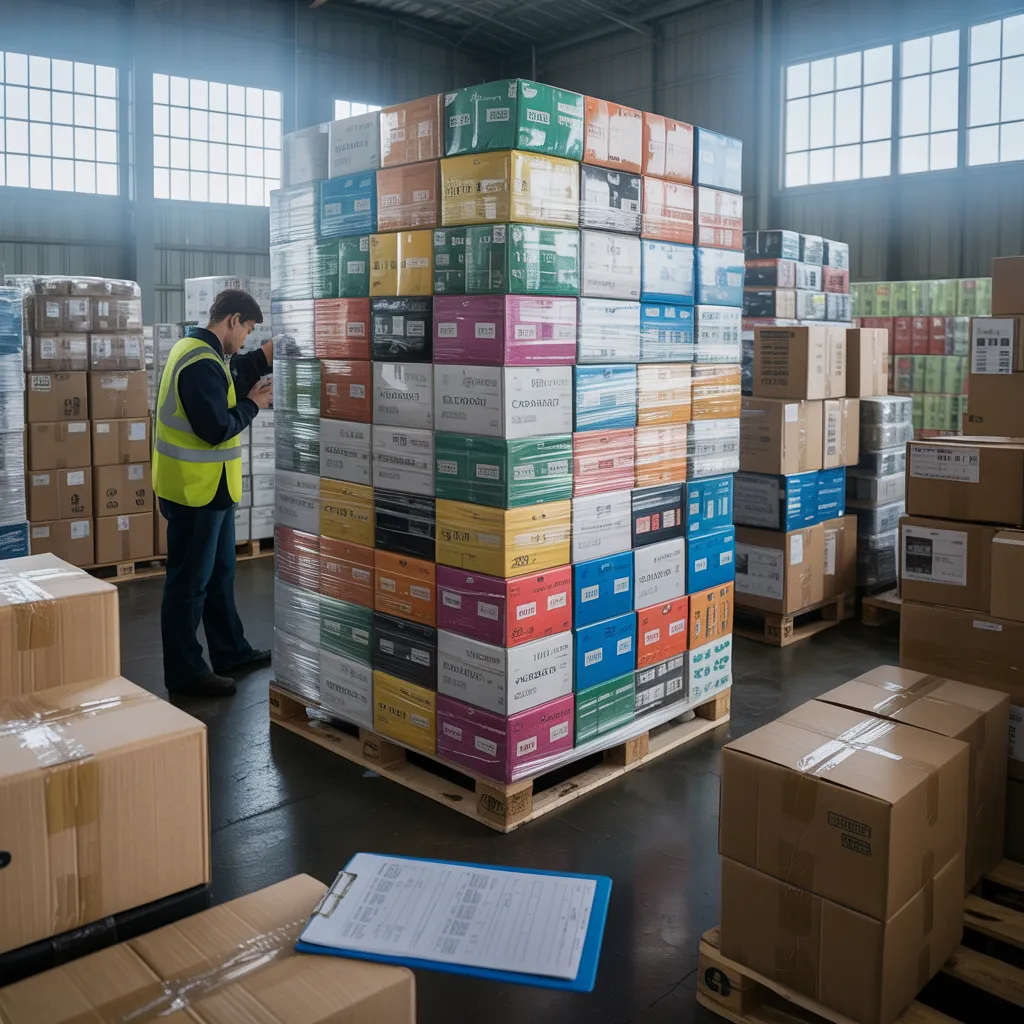
Understanding Bulk Liquidation Pallets: How They Function and What They Include
Liquidation pallets act as an crucial element in the resale industry, providing a method for companies and entrepreneurs to purchase excess or unsold inventory at substantially reduced prices. These pallets are typically consisting of a selection of goods given back by retailers, overstocked items, or products that have not sold as expected. Each pallet can hold a mix of electronic devices, clothing, home products, and more, drawing in a wide range of resellers.
The procedure for acquiring liquidation pallets consists of purchasing them from liquidation businesses or auction venues, usually in bulk. Buyers can inspect the contents, but often only through general descriptions. Once acquired, resellers can either sell the items individually, through online platforms, or at local markets. Understanding how these pallets function is vital for anyone looking to engage in the resale market, since it offers perspective on possible earnings and stock management difficulties.
Advantages of Purchasing Liquidation Pallets
Many resellers looking for cost-effective inventory sourcing methods will find that purchasing liquidation pallets offers numerous advantages. One primary benefit is the potential for significant savings, as these pallets are typically available at a small percentage of their original retail price. This enables resellers to increase their profit margins by selling products separately. Additionally, liquidation pallets provide entry to a diverse range of products, enabling resellers to serve diverse customer tastes and current trends.
Another advantage is the opportunity for one-of-a-kind finds, as liquidation pallets often feature discontinued or difficult-to-source items, improving a reseller's inventory appeal. Additionally, purchasing liquidation pallets can optimize the sourcing process, decreasing the time spent searching for individual products. Finally, acquiring liquidation pallets typically offers the opportunity of buying in bulk, which can result in consistent stock levels and lower shipping costs over time. Overall, liquidation pallets act as a important resource for resellers aiming to elevate their offerings and profitability.
Typical Categories of Liquidation Pallets
In the world of reselling, knowing the standard types of liquidation pallets is essential for enhancing inventory potential. Retail liquidation pallets generally fall into multiple categories, each serving distinct market needs. General merchandise pallets comprise a mix of products, featuring household goods, electronics, and clothing. These are versatile options for resellers looking for diverse inventory.
A further common variety is the return pallets, which are made up of items sent back by buyers, often with slight imperfections or packaging damage. These can be profitable if resellers can determine the condition accurately. In addition, particular category pallets center around particular niches, such as electronics, tools, or seasonal items, permitting resellers to target particular consumer demographics with precision.
Last but not least, pallets originating from excess inventory or shelf pulls can provide high-quality, unsold products at substantial savings. Comprehending these categories empowers resellers to formulate informed choices that match their operational strategies and customer demands.
Guidelines for Buying Liquidation Pallets Smartly
When contemplating the purchase of liquidation pallets, resellers should carry out comprehensive research to ensure they make educated decisions. They must locate reputable suppliers and verify their credibility through reviews and testimonials. Comprehending the types of products commonly found in liquidation pallets is vital; this knowledge helps in selecting pallets that fit their target market.
Furthermore, resellers should set a budget, ensuring they factor in shipping costs and potential losses. Reviewing the manifest, if available, can deliver insight into the specific items included and their potential resale value.
It is also wise to initiate with smaller purchases to determine the quality and profitability of the pallets ahead of investing in larger orders. Lastly, resellers should be patient and refrain from impulse buying, as educated purchases can considerably improve their chances of success in the liquidation market.
Resale Strategies: Maximizing Returns From Liquidation Finds
Maximizing revenue from liquidation purchases demands strategic planning and effective marketing strategies. Sellers should first evaluate the condition and demand for items within their liquidation pallets. Organizing products into high-demand segments can simplify the resale process. Online platforms like eBay, Amazon, and Facebook Marketplace can be outstanding venues for listing items, while local flea markets or consignment shops may attract different buyers.
Pricing is essential; market research aids in identifying ideal price points. Sellers can enhance visibility by utilizing high-quality images and thorough descriptions. Furthermore, creating package offers can boost perceived value and promote more rapid sales.
Developing a brand presence through social media and engaging with potential customers can cultivate loyalty. Connecting with other resellers may also provide insights and opportunities for collaboration. Ultimately, a combination of market research, effective pricing strategies, and robust marketing efforts can greatly boost profits from liquidation finds.
Common Questions
What Are the Potential Risks of Buying Liquidation Pallets?
Buying liquidation pallets involves risks like hidden defects, unsold or outdated inventory, unexpected shipping fees, and fluctuating market discussion demand. Purchasers may also experience difficulty in reselling products, affecting their overall profitability.
How Do I Assess the Value of a Liquidation Pallet?
To assess the value of a liquidation pallet, you need to assess the retail prices of the goods contained, their quality, market demand, and potential resale opportunities, while also including any associated shipping or handling fees.
Is It Possible to Return Unsold Liquidation Pallet Items?
In most cases, sending back unsold liquidation pallet items is not an option. Nearly all liquidation suppliers provide items in as-is condition, and buyers usually take on the risk. Nevertheless, some suppliers might offer specific return policies, so it is crucial to review individual terms.
Are There Specific Seasons for Buying Liquidation Pallets?
Specific seasons can indeed affect liquidation pallet pricing and availability. Retailers frequently offload inventory in the wake of holidays or seasonal shifts, making these periods ideal for buyers looking for great deals on liquidation pallets and excess stock.
What Role Do Shipping Expenses Play in Liquidation Pallet Purchases?
Shipping prices heavily affect liquidation pallet purchases by boosting overall expenses. Elevated shipping fees can lower profit margins, making it crucial for buyers to incorporate these costs into their budget when picking and obtaining pallets.